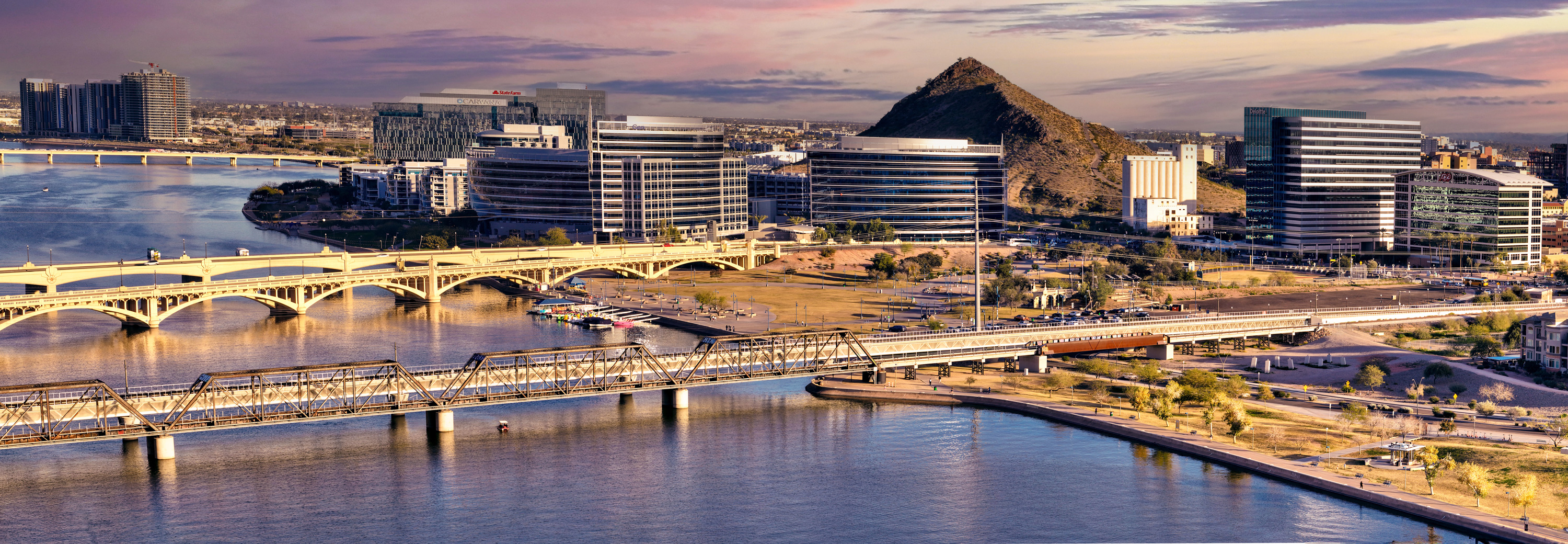
Tempe is a landlocked urban island in the heart of the Greater Phoenix Metropolitan Area, which has evolved from a “college town” into a sophisticated technology hub. This lack of room to expand has forced the city to grow up rather than out, producing a dense, walkable and increasingly vertical downtown. Within city limits is the original and largest campus of Arizon State University (ASU), with its 50,000 students, and the Tempe Town Lake, a 2-mile-long body of water in the middle of the desert that hosts kayakers, paddleboarders and the annual Arizona Dragon Boat Race.
With these assets, it is no surprise that Tempe boasts a highly educated workforce with nearly half of residents holding a bachelor’s degree or higher. The Fulton School at ASU is the largest engineering school in the United States.
Silicon Desert HQ
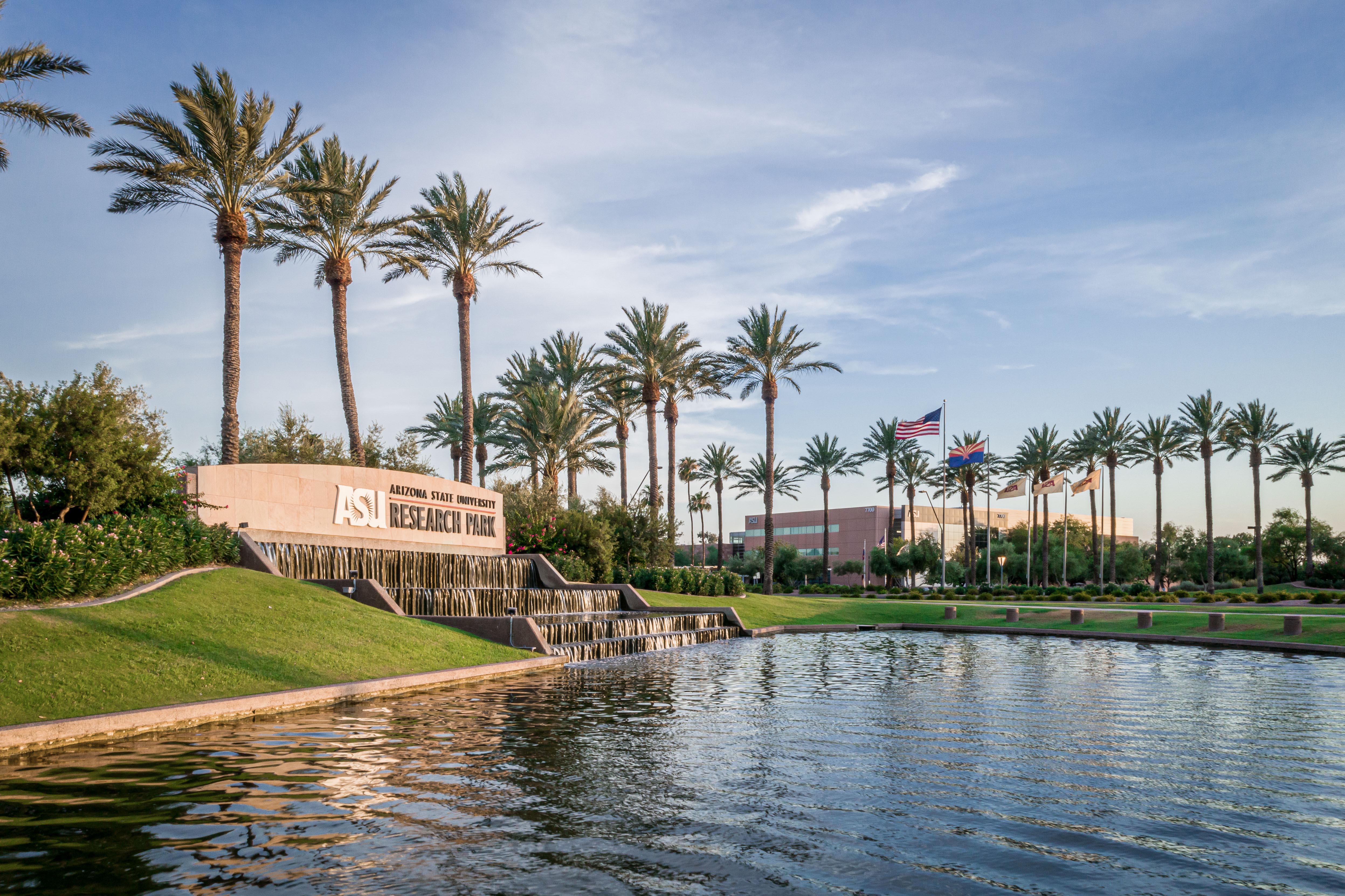 Tempe lays claim to be the “Silicon Desert’s” strategic headquarters. The ASU Research park, founded in 1984, is home to 48 companies occupying 26 buildings. Beyond ASU, the city hosts massive corporate operations for State Farm Insurance, Wells Fargo bank, Amazon and Honeywell. It is home to technology centers including Novus Innovation Corridor and IDEA Tempe, the city’s newest live-work-play developments.
The Novus Innovation Corridor is a 330-acre mixed-use district located on ASU property to bridge the gap between academia and industry. IDEA Tempe occupies 18 acres near the Town Lake. The medical tech giant Becton, Dickinson anchors the site, which continues to expand with specialized labs for clinical research and medical device development. These facilities contribute to explosive growth of climate tech and software-as-a-service companies focused on sustainability, fintech and mobility. The city also plays a vital role in the global chip industry – not as manufacturer but by providing supply chain and engineering support. The Dutch company ASML and Align Technology have massive offices there to drive innovation in semiconductor manufacturing and medical devices. Tempe-based engineering firms are also focused on the packaging and testing of chips for distribution to the market.
Planning for Change
Tempe’s official city plan is called Tempe Tomorrow: General Plan 2050. With a current population of 192,000 people living within 40 square miles (103 km2), it envisions a future of increasing density and high-rise development: a 20-minute city where all daily needs are met within a short walk, bike or transit ride. Making that possible are streetcar expansion and designation of car-free neighborhoods. Challenging that vision, however, is climate change. The city already sees sweltering summer temperatures exceeding 110 degrees F. (38 C.). Its Climate Action Plan prioritizes an expanded tree canopy and resilience hubs equipped with solar power and battery storage to serve as cooling centers during grid emergencies.
Like most successful urban economies, Tempe also faces a housing supply and affordability crisis. In response, it has designated a zone encompassing the central business district where multi-family housing may be built in traditionally single-family neighborhoods without complex rezoning and eases the path of developers in converting office and commercial buildings into multi-family housing.
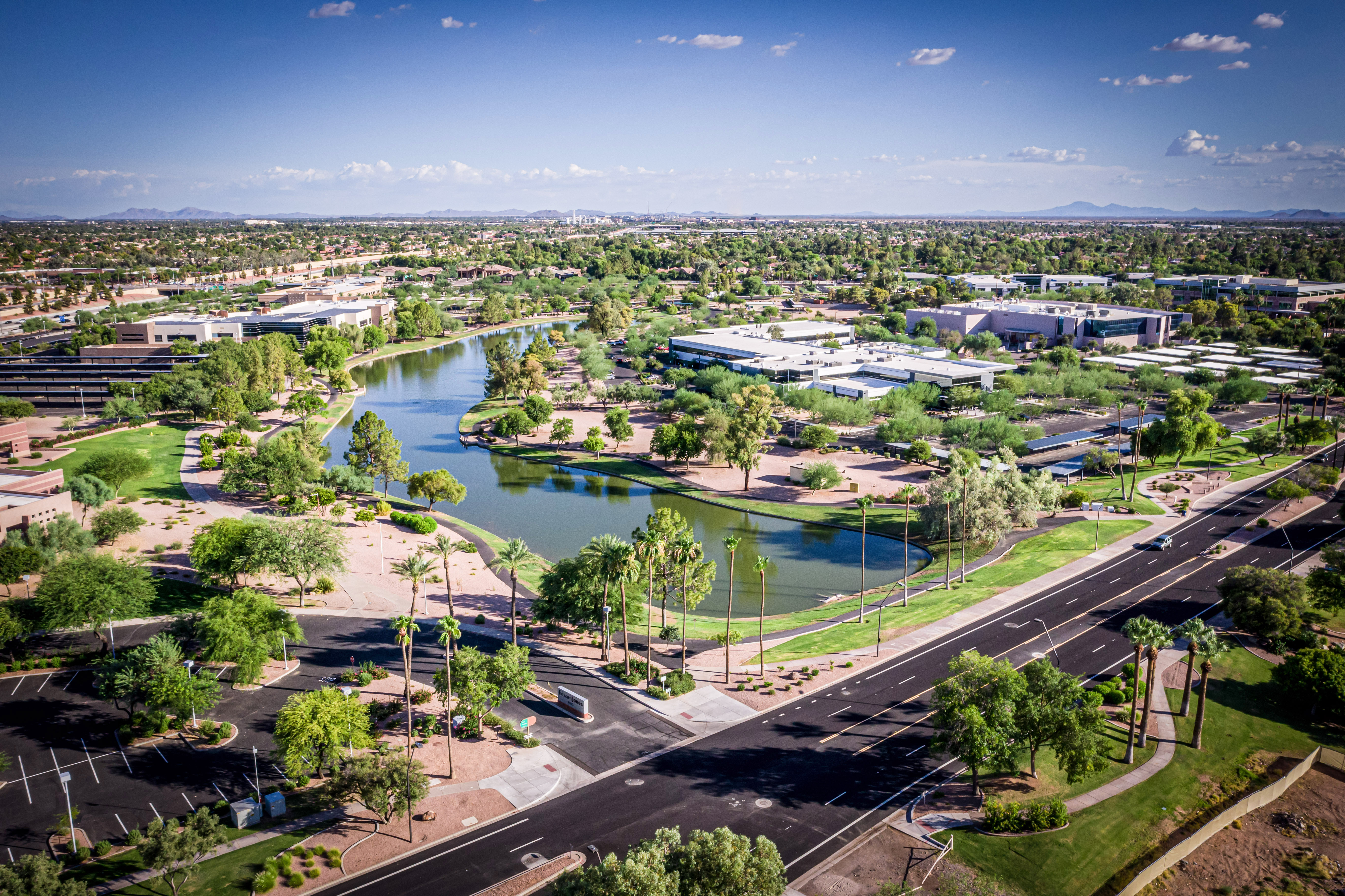
As a university town and successful tech hub, Tempe will always attract the best and brightest minds to build the next generations of technology. Its future – as a place on a leading edge of climate change – will also be shaped by its ability to innovate in climate resilience to maintain itself as a city where people thrive.
Population: 192,500
Website: www.tempe.gov
Smart21 2026